Rosneft Contributes to the Development of Genetics in Russia
International DNA Day is celebrated on April 25. On this day in 1953, the first model of the structure of deoxyribonucleic acid—the molecule that carries the genetic information of all living organisms—was presented. This fundamental discovery laid the groundwork for groundbreaking research in biology and medicine, providing a deeper understanding of the genetic characteristics of the human body.
Rosneft places a high priority on the development of science and innovation, making a significant contribution to strengthening Russia’s technological sovereignty. The Company is the main technology partner of the Federal Scientific and Technical Programme for the Development of Genetic Technologies, under which the ‘Biotechnology Campus’ Whole-Genome Sequencing Centre was established and is now operating successfully. This modern scientific facility is fitted with the most productive range of equipment in Russia and its own IT infrastructure for researching and implementing the latest solutions in genetics.
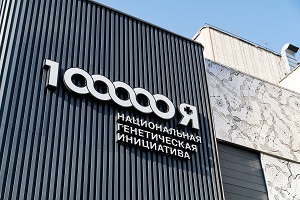
The Biotechnology Campus is implementing the ‘100,000+ Me’ National Genetic Initiative. The initiative’s primary aim is to analyse and classify the genomes of Russian citizens in order to identify hereditary predispositions to serious diseases. By 2025, the total number of biological samples collected and analysed had exceeded 100,000, enabling the creation of one of the country’s largest database of genomic variants.
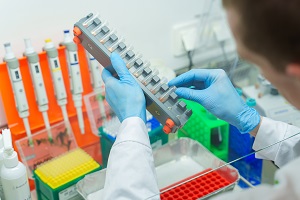 Based on an analysis of more than 50,000 volunteer genomes, scientists have compiled reference data on the genetic diversity of the Russian population — a ‘genomic landscape’ that will serve as a starting point for future scientific discoveries. Scientists have also identified the genetic causes of diseases in more than 10,000 patients — bioinformatic analysis has revealed thousands of unique genetic variants associated with 500 different rare (orphan) diseases. Whole-genome sequencing makes it possible to reach an accurate diagnosis even in the most complex cases, and the centre’s specialists regularly identify new, previously undescribed mutations.
Currently, scientists have analysed samples from over 5,000 individuals representing 50 different ethnic groups in the Russian Federation as part of the initiative. Campus specialists have developed a mathematical model that makes it possible to estimate the percentage contribution of each of these ethnic groups to the overall ethnic profile of the programme participants.
Extensive studies of ethnic communities have been carried out in regions with a high incidence of hereditary disorders, including Yakutia and the constituent entities of the North Caucasus Federal District. Their findings will form the basis for genetic screening programmes aimed at preventing hereditary disorders and planning for a healthy family.
Rosneft is placing particular emphasis on developing the project’s scientific and educational infrastructure. In collaboration with Lomonosov Moscow State University and the Moscow Institute of Physics and Technology, the company runs master’s programmes in Genomics and Human Health and Algorithmic Biology. Students undertake practical training at the facilities of the Biotechnology Campus.
A comprehensive approach to implementing the national initiative makes it possible to build up a personnel reserve of highly qualified specialists in the fields of genetics and bioinformatics, as well as to lay the foundations for further progress in genetic technologies and the development of medical genetics in Russia.
Department of Information and Advertising
Rosneft
April 24, 2026